The high cost of heavy equipment often keeps it out of reach for many businesses, especially those that are just starting out or operating on tight margins. However, even if a business can afford to pay for heavy machinery upfront in cash, it isn’t always the smartest financial decision. According to JP Morgan, paying cash for large equipment drains capital that could be used for other critical activities. Since liquidity is vital for business survival, strategic financing is often a better route than making full payments.
This is why heavy equipment financing is the preferred method for businesses looking to afford significant upgrades and additions. But how exactly does equipment financing work, and are there any caveats you should be aware of? Keep reading to find out.
What is Heavy Equipment Financing?
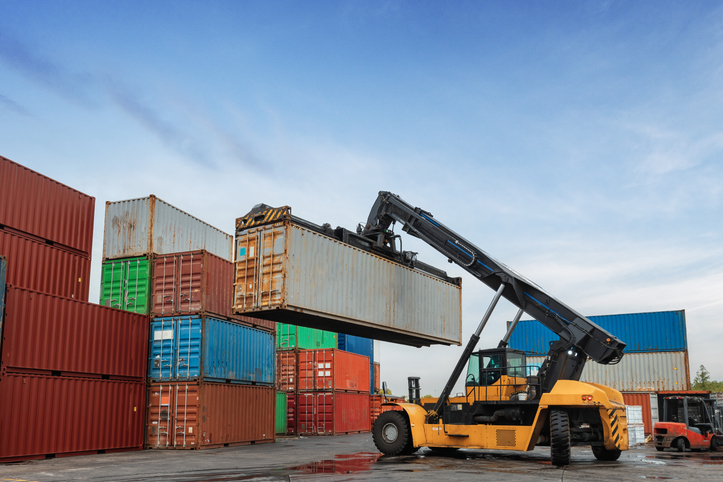
Heavy equipment financing allows businesses to acquire large machinery—such as bulldozers, cranes, trucks, and production units—without paying the full purchase price upfront.
Instead of a massive cash outlay, a lender covers the initial cost, and the business repays the amount over time through fixed installments. Because the equipment itself serves as collateral, the process is relatively low-risk for lenders. If the borrower defaults, the machinery acts as a guarantee.
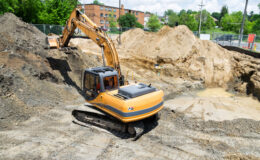
For example, suppose you run a construction firm and land a lucrative contract that requires a $250,000 excavator. Paying cash could leave your business dangerously short on funds for daily operations. By securing heavy equipment financing from a credible lender, you get the necessary machinery immediately while spreading the cost over a manageable period.
Top Reasons to Choose Heavy Equipment Financing
Running a business that relies on heavy machinery means dealing with large, unavoidable expenses. While paying cash might seem like the simplest option, it can severely limit your ability to seize future opportunities. Here are the most important reasons to finance your equipment instead:
- Protects Your Cash Flow: Cash flow management is essential for long-term survival. Tying up a massive portion of your working capital in a single purchase limits your flexibility to cover other expenses. Financing breaks the cost down into predictable, bite-sized installments, keeping your cash reserves intact for daily operations and unexpected emergencies.
- Provides Access to Modern Equipment: Technology evolves rapidly. Machinery that was industry-standard five years ago might now be inefficient or expensive to maintain. Financing allows you to acquire the latest, most efficient models immediately, rather than waiting until you’ve saved enough cash. This is especially critical in industries where contracts are won based on speed and reliability.
- Builds Business Credit: Establishing a strong business credit profile takes time, but it makes securing future funding much easier. Consistently making on-time installment payments proves your reliability to lenders. Over time, this positive credit history increases your chances of securing better interest rates and larger credit lines for future expansion.
Equipment Financing Options
When your business needs heavy machinery, the key question is: What’s the smartest way to pay for it without hurting cash flow or stalling growth?
You can fund these large investments through either loans or leases. Here is how they differ:
Equipment Loans (Financing)
An equipment loan functions like a traditional term loan. A lender provides the funds to purchase the machine, and you repay the balance (plus interest) through fixed installments. Once the loan is fully paid off, you own the equipment outright.
Because you ultimately own the asset, it appears on your balance sheet and builds your company’s equity. Loans are ideal for highly durable equipment that will remain productive for many years, or for businesses that want to retain long-term ownership of their assets. The trade-off is that loans typically require higher upfront costs (like down payments) and represent a longer financial commitment.
Equipment Leasing
Equipment leasing allows you to use the machinery for a specific period without actually owning it. You essentially rent the equipment by making regular payments to a leasing company. When the lease term ends, you can either return the equipment, upgrade to a newer model, or renew the lease.
Leasing is incredibly popular because it usually requires little to no upfront capital, preserving your cash reserves. It is also the perfect solution for fast-paced industries where equipment quickly becomes obsolete, or for businesses that only need specialized tools for short-term projects.
Equipment Financing Made Easy
The business world is highly competitive, and unexpected expenses can pop up at any time. To survive and thrive, you need financial flexibility. Equipment financing is a smart, strategic way to get the tools you need without tying up all your working capital.
Whether you need machinery for a brand-new venture or want to upgrade your existing fleet, LMC Alternative Business Capital has a financing plan tailored to your needs. Let us know how you’d like to proceed with your business funding, and we will help you find a solution that protects your finances while fueling your growth.
FAQs
Do lenders look at the resale value of equipment when approving financing?
Yes. Because the equipment serves as collateral, lenders consider its resale value to mitigate their risk. Machinery that holds its value well makes the approval process much smoother.
What’s the difference between financing new vs. used equipment?
New equipment generally qualifies for better financing terms and lower interest rates because it holds its value longer and presents fewer risks. While used equipment can absolutely be financed, lenders may require additional inspections regarding its condition and future resale potential.
How is equipment financing different from a standard business loan?
Equipment financing is tied directly to the purchase of a specific piece of machinery, which automatically serves as the collateral for the loan. A standard business loan is broader; it is typically unsecured (requiring separate collateral or a personal guarantee) and the funds can be used for a wide variety of business needs, not just equipment.