
Construction companies depend on reliable equipment to complete projects, meet deadlines, and maintain profitability. From excavators and skid steers to cranes, loaders, dump trucks, and specialized machinery, having the right equipment can make the difference between taking on a project and turning it down.
However, purchasing construction equipment can require a significant investment.
Equipment financing for construction companies can help businesses acquire the machinery they need while preserving working capital for payroll, materials, fuel, vendors, and other operating expenses.
LMC Alternative Business Capital helps construction companies evaluate equipment financing and other commercial financing solutions based on their equipment needs, cash flow, project requirements, and overall financial position.
What Is Construction Equipment Financing?
Construction equipment financing is a financing solution designed to help businesses purchase or acquire equipment without necessarily paying the entire purchase price upfront.
Depending on the financing structure, the equipment itself may serve as collateral for the financing.
This can allow a construction company to preserve cash while obtaining the machinery needed to complete projects and support growth.
Construction equipment financing may be used for equipment such as:
- Excavators
- Backhoes
- Skid steers
- Bulldozers
- Cranes
- Loaders
- Dump trucks
- Concrete equipment
- Paving equipment
- Trenchers
- Specialized construction machinery
- Other commercial equipment
The availability, terms, down payment requirements, and financing structure will depend on the equipment, business qualifications, lender, and financing program.
Why Construction Companies Use Equipment Financing
Construction companies often face a unique cash flow challenge.
A contractor may win a large project that requires additional equipment, but purchasing the machinery outright could significantly reduce the company’s available cash.
That creates a difficult choice:
Spend cash on equipment—or preserve liquidity for the project itself?
Equipment financing can potentially help solve that problem by allowing the company to spread the cost of the equipment over time.
Preserving working capital may allow a contractor to maintain cash reserves for:
- Payroll
- Materials
- Subcontractors
- Fuel
- Insurance
- Repairs
- Vendor payments
- Project expenses
- Business expansion
This can be particularly important when a company is growing quickly or taking on larger contracts.
Equipment Financing vs. Using Cash
Paying cash for equipment may appear straightforward, but it isn’t always the best choice for a growing construction business.
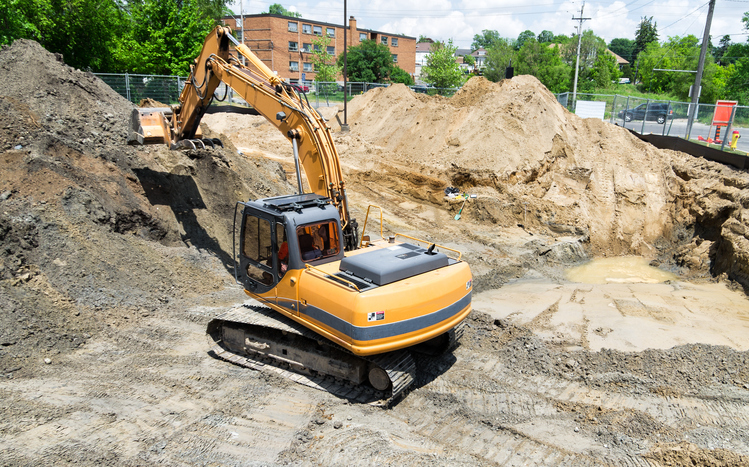
Suppose a contractor needs a $250,000 excavator.
Purchasing the equipment outright could eliminate a financing obligation, but it also removes $250,000 from the company’s available liquidity.
If that same contractor needs to fund payroll, materials, fuel, and subcontractors while waiting for project payments, tying up that much cash could create unnecessary pressure.
Equipment financing may allow the company to acquire the excavator while retaining more working capital for ongoing operations.
The right decision depends on the company’s financial position, financing cost, cash flow, and strategic objectives.
Financing New and Used Construction Equipment
Construction companies don’t necessarily need to purchase brand-new machinery.
Depending on the financing program, businesses may be able to finance eligible new or used construction equipment.
Used equipment can sometimes provide an opportunity to acquire necessary machinery at a lower purchase price, while new equipment may offer newer technology, warranties, improved efficiency, or lower maintenance requirements.
When evaluating equipment financing, consider:
- Purchase price
- Equipment age
- Equipment condition
- Expected useful life
- Maintenance costs
- Revenue the equipment is expected to generate
- Financing terms
- Down payment requirements
- Cash flow impact
The objective is to choose equipment that supports the company’s operations without creating unnecessary financial strain.
Can Startups and Growing Construction Companies Get Equipment Financing?
Potentially.
Equipment financing requirements vary by lender and program, and a newer business may face different underwriting requirements than an established contractor.
Financing providers may evaluate:
- Time in business
- Revenue
- Cash flow
- Credit history
- Down payment
- Equipment type
- Equipment value
- Industry experience
- Existing debt
- Business plan
- Project pipeline
A construction company with strong contracts, experienced ownership, and a clear need for equipment may have financing opportunities even if it does not have the same financial history as a long-established contractor.
Equipment Financing and Working Capital
Equipment financing can also be an important component of a broader working capital strategy.
Instead of using operating cash to purchase equipment, a construction company may finance the equipment separately and preserve available working capital for day-to-day expenses.
This can be particularly useful when a contractor is experiencing growth.
For example, a company may need additional equipment because it has won several new projects. Financing the machinery may allow the business to use its available cash for payroll, materials, and other expenses associated with completing those projects.
Explore Construction Equipment Financing Options
The right equipment financing solution depends on the construction company’s equipment needs, financial profile, cash flow, and growth strategy.
LMC Alternative Business Capital helps businesses evaluate equipment financing and other commercial financing solutions through a network of financing sources.
Whether your company needs an excavator, dump truck, crane, skid steer, or other commercial construction equipment, the goal is to identify a financing structure that supports the business without unnecessarily restricting working capital.
Need equipment for your next construction project?
Contact LMC Alternative Business Capital
Financing availability, rates, terms, amounts, collateral requirements, and approval criteria vary by financing program, lender, business qualifications, and other factors. Financing is subject to applicable underwriting and approval requirements.